50mm vs 85mm – Which Portrait Lens is Best For You?
Choosing the right prime lens is one of those "lightbulb moments" in photography. You’ve likely moved past your kit lens, mastered the basics of exposure, and now you’re looking for that professional, high-end look that only a prime lens can deliver. If you’ve narrowed it down to the 50mm vs. 85mm, you’re in the right place.
Both are legendary portrait lenses, but they serve very different purposes in your gear. To help you decide which one is the "best" (spoiler: it depends on what you shoot!), we’re going to dive deep into compression, "lens speed," and even a cool macro feature you might not know about.
What is Lens Compression?
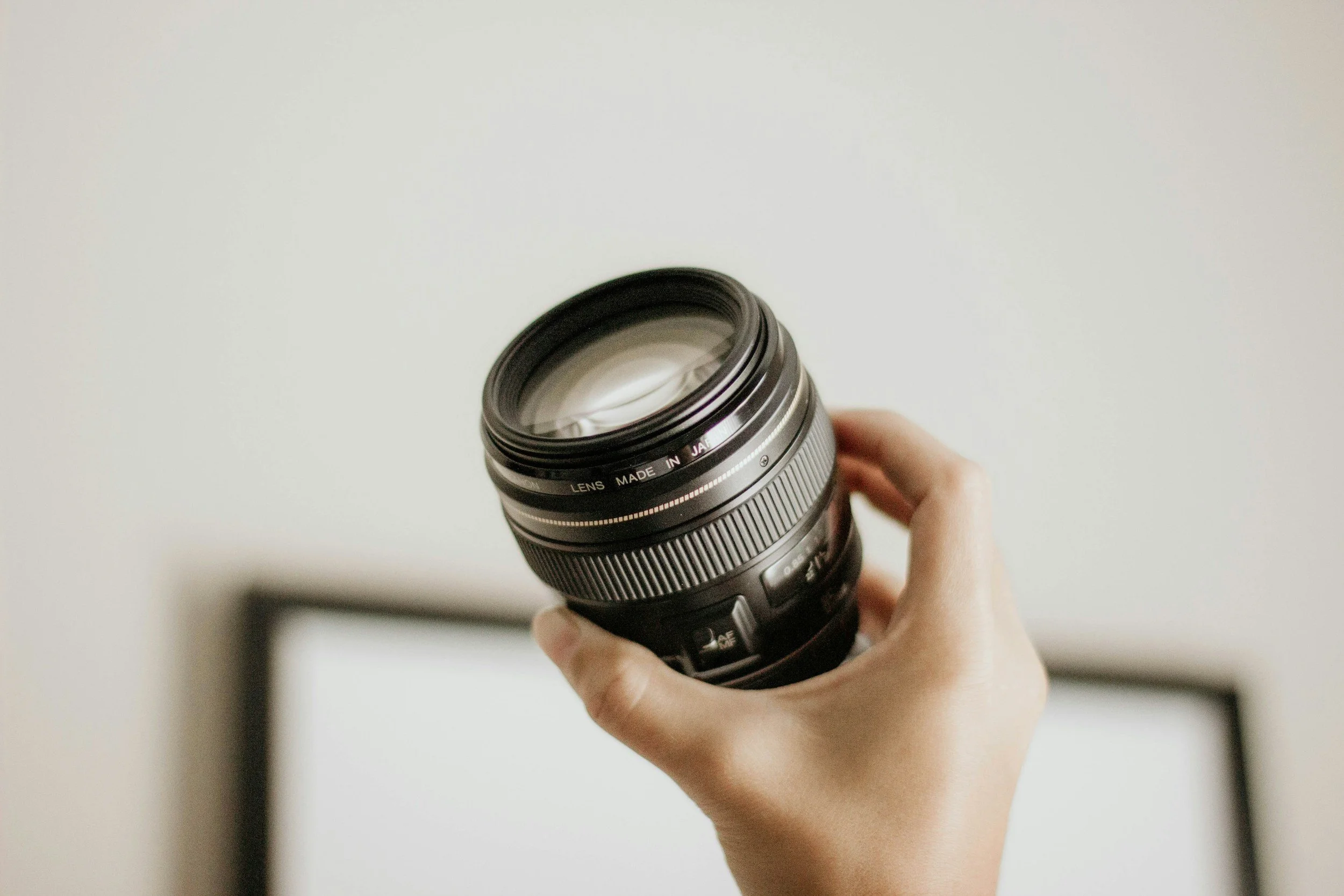
You’ll hear professional photographers talk about "compression" all the time, but it’s actually a very simple concept. Compression is an optical illusion that happens as your focal length gets longer.
Imagine you are standing in front of a beautiful row of trees. With a 50mm, the trees in the background will look like they are a normal distance away from your subject. But when you switch to an 85mm, the background actually looks "pulled in" closer to your subject.
Why does this matter for portraits?
Flattering Features: Longer focal lengths (like the 85mm) tend to slightly "flatten" facial features in a way that most people find very flattering.
Background Blur (Bokeh): Because the 85mm pulls the background closer, it also makes that background blur look much more intense and creamy.
The Crop Factor Caveat (Don’t Skip This!)

Before you choose, you must account for your camera's sensor size:
Full-Frame (FF): The focal lengths behave as labeled.
Crop-Sensor (APS-C or Micro Four Thirds): Your sensor is smaller, effectively "zooming in" the lens. You need to multiply the focal length by your camera's crop factor (usually 1.5x or 1.6x for Canon/Nikon/Sony APS-C).
50mm on a crop frame will “look” like 85mm.
85mm on a crop frame will “look” like 125mm.
The 50mm: The "Nifty Fifty" Versatility King
The 50mm is often called the "nifty fifty" because it can truly do a little bit of everything. On a full-frame camera, it mimics the way our own eyes see the world, which gives your photos a very "natural" and lifestyle feel.

Best For:
Indoor Sessions: If you shoot in client homes or small studios, the 50mm is a lifesaver. You don't need to stand in the next room just to fit a family of four in the frame.
Storytelling: It allows enough of the background into the shot to tell a story about where the subject is, rather than just completely blurring it away.
Travel and Street Photography: It’s usually smaller and lighter than an 85mm, making it the perfect "walk-around" lens.
The 85mm: The Portrait King (and Bokeh Queen)
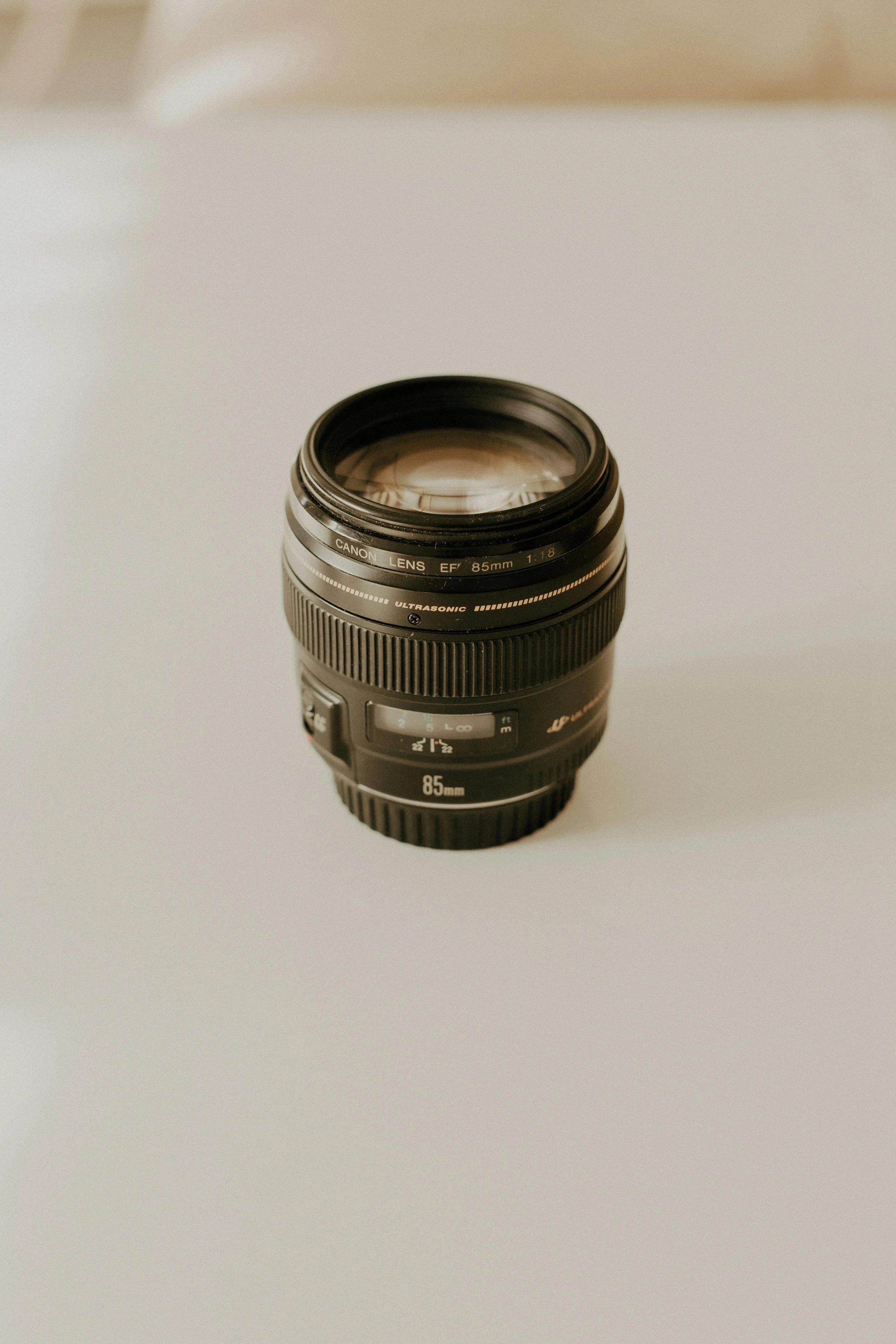
If your goal is to create high-end, "wow-factor" portraits with a background that looks like a painting, the 85mm is your best friend. It’s a specialized tool designed to make people look their absolute best.
Best For:
Individual Portraits: Senior sessions, headshots, and bridal portraits shine on an 85mm.
Outdoor Sessions: Since you have more room to back up outdoors, you can take advantage of that beautiful 85mm compression.
Comfortable Distance: Using an 85mm means you’re standing a bit further away from your client. This "breathing room" often helps people relax and feel less intimidated by the camera.
The "Macro" Twist: The Canon RF 85mm f/2
If you happen to be a Canon shooter, there is a unique feature on the Canon RF 85mm f/2 that sets it apart from almost every other portrait lens: it’s also a Macro lens.
In the photography world, "Macro" means a lens can focus on things that are very, very close to the glass.
The Benefit: While most 85mm lenses require you to stand about 3 feet away to focus, the Canon RF 85mm f/2 can focus much closer (about 1.15 feet).
Wedding & Detail Photographers: This makes it a "two-for-one" lens. You can use it for stunning portraits of the bride, and then immediately use it to get a "macro" shot of the wedding rings or the intricate lace on a dress without switching gear.
Understanding "Lens Speed" (f/1.8 vs. f/1.2)
When you go to buy your 50mm or 85mm, you’ll notice a massive price difference between lenses. You might see a 50mm for $200 and another one for $2,000. This usually comes down to "Lens Speed," or the maximum aperture.
The f/1.8 (The Budget-Friendly Pro): These are lightweight, affordable, and honestly, they are incredible. For 90% of photographers, an f/1.8 lens is all you will ever need. It still gives you plenty of blur and works great in low light.
The f/1.2 or f/1.4 (The Heavy Hitters): These lenses let in even more light and create even thinner depth of field. They are usually much heavier and more expensive. If you find yourself shooting in very dark churches or you just crave that extra 5% of "creaminess" in your bokeh, these are the "pro" versions.
Real-World Scenarios: Which One to Grab?
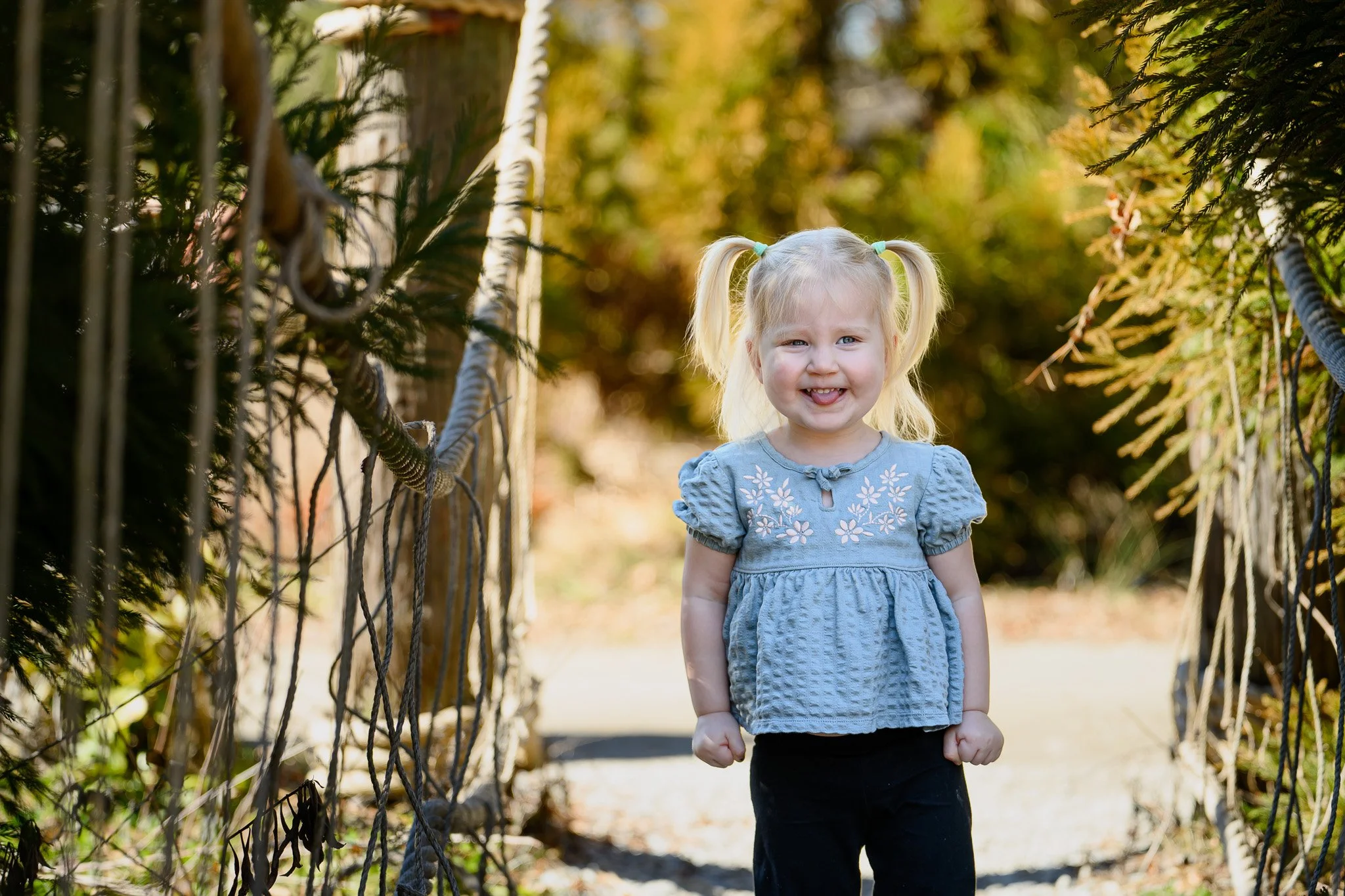
A Family Session You’re at a park with three toddlers. They are running everywhere.
The Winner: 50mm. You need to be able to move quickly, stay close to the action, and keep your field of view wide enough to catch them as they dart around.
High-End Senior Portraits You have one subject and plenty of time to pose them against a beautiful sunset.
The Winner: 85mm. This is where the 85mm shines. You can step back, let the background melt away, and give them that high-fashion look.
A Small Indoor Branding Session You're shooting a business owner in her office.
The Winner: 50mm. You likely won't have enough physical space to use an 85mm indoors without being backed up against a wall.
Ready to Add to Your Bag?
If you're ready to grab your next prime, check out these versions for your specific camera system:
Nikon Z 50mm lens: https://amzn.to/4sVWmrU
Nikon Z 85mm lens: https://amzn.to/3PpgpAx
Canon RF 50mm lens: https://amzn.to/3NWATjB
Canon RF 85mm lens: https://amzn.to/3PGHmjb
Sony FE 50mm lens: https://amzn.to/40LDVtZ
Sony FE 85mm lens: https://amzn.to/4so4wcA
Not sure what all those numbers on the side of the lens mean? Check out my guide on Understanding Your Camera Lens Numbers to clear up the confusion!
Still Deciding on Gear?
If you’re still building out your kit or want to make sure your new lens is performing perfectly, you might find these posts helpful:
What’s in My Camera Bag? A Peek at My Fave Gear
35mm vs 50mm: Choosing Your Perfect Prime
My Honest Review of the Nikon Z5II
Test Your Lens for Focus Issues: A Step-by-Step Guide(for DSLR lenses)
Needing to dive deeper? Check out…
The Camera Series for mastering your gear.
The Lightroom Seriesfor editing.
AI-Powered Hail Mary Masksfor lightning fast, unmatched editing tools.
The Camera Seriesfor comprehensive and affordable trainings suitable for beginner or intermediate photographers.
Nancy’s Recommended Gearand where she buys it used (reputable with warranties!)