What’s In My Camera Bag? My Go-To Gear Heading Into 2027
I get asked about the gear in my bag constantly—and honestly, I love talking about it! Understanding what tools you use and why you chose them is one of the most empowering steps you can take as a photographer, whether you’re shooting your very first family session or running a full-time creative business.
As we head into 2027, I’ve refined my setup to focus on speed, affordability, and maximum versatility. Here is a look at what’s inside my camera bag right now!
A Quick Tip on Buying Gear: 90% of my gear I purchased used, from MPB.com. They put every single item through a rigorous inspection process and recirculate hundreds of thousands of pieces of equipment a year. If you’re looking to upgrade gear, but want to save a little money, I recommend checking them out!
Camera Bodies
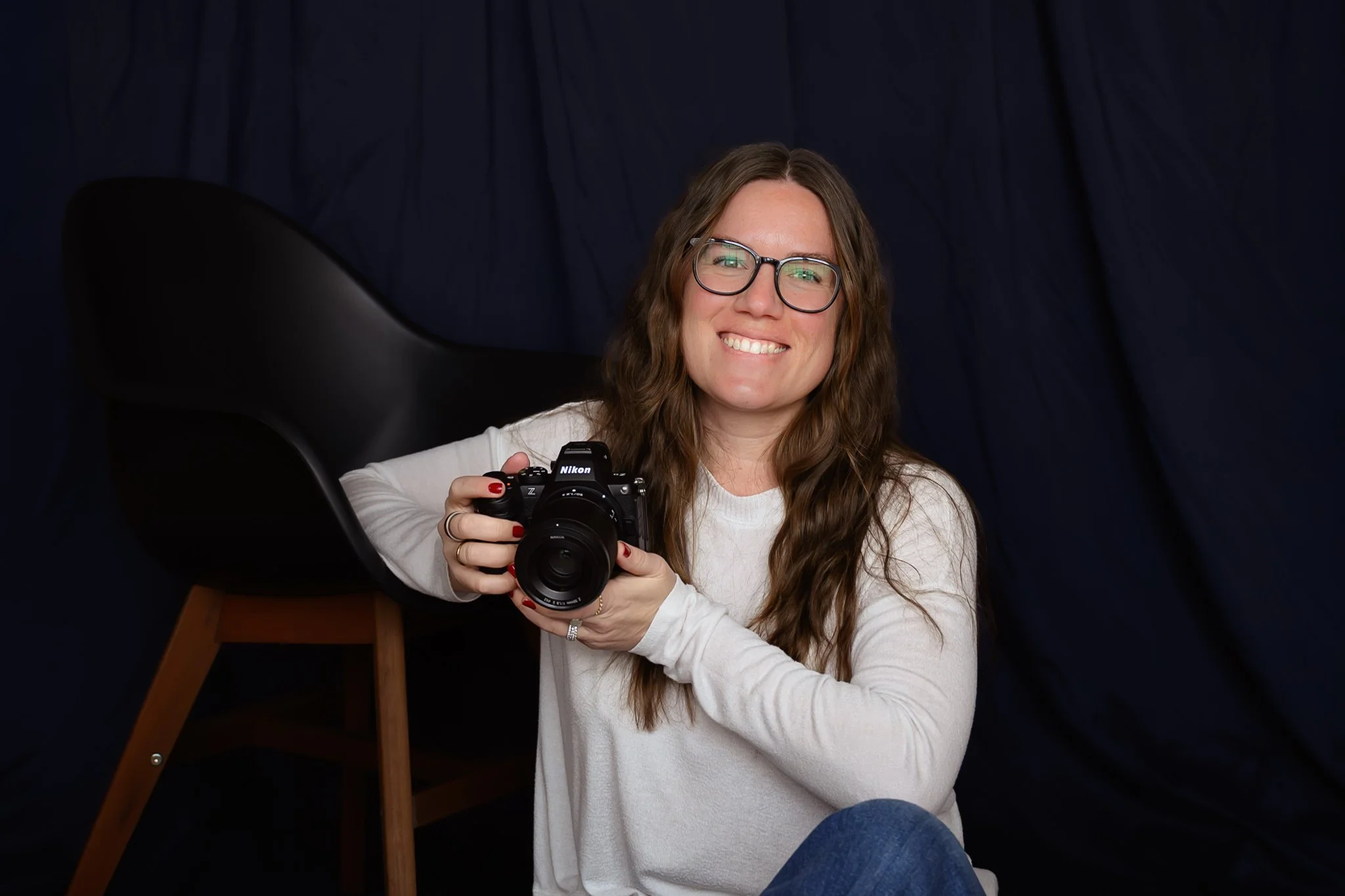
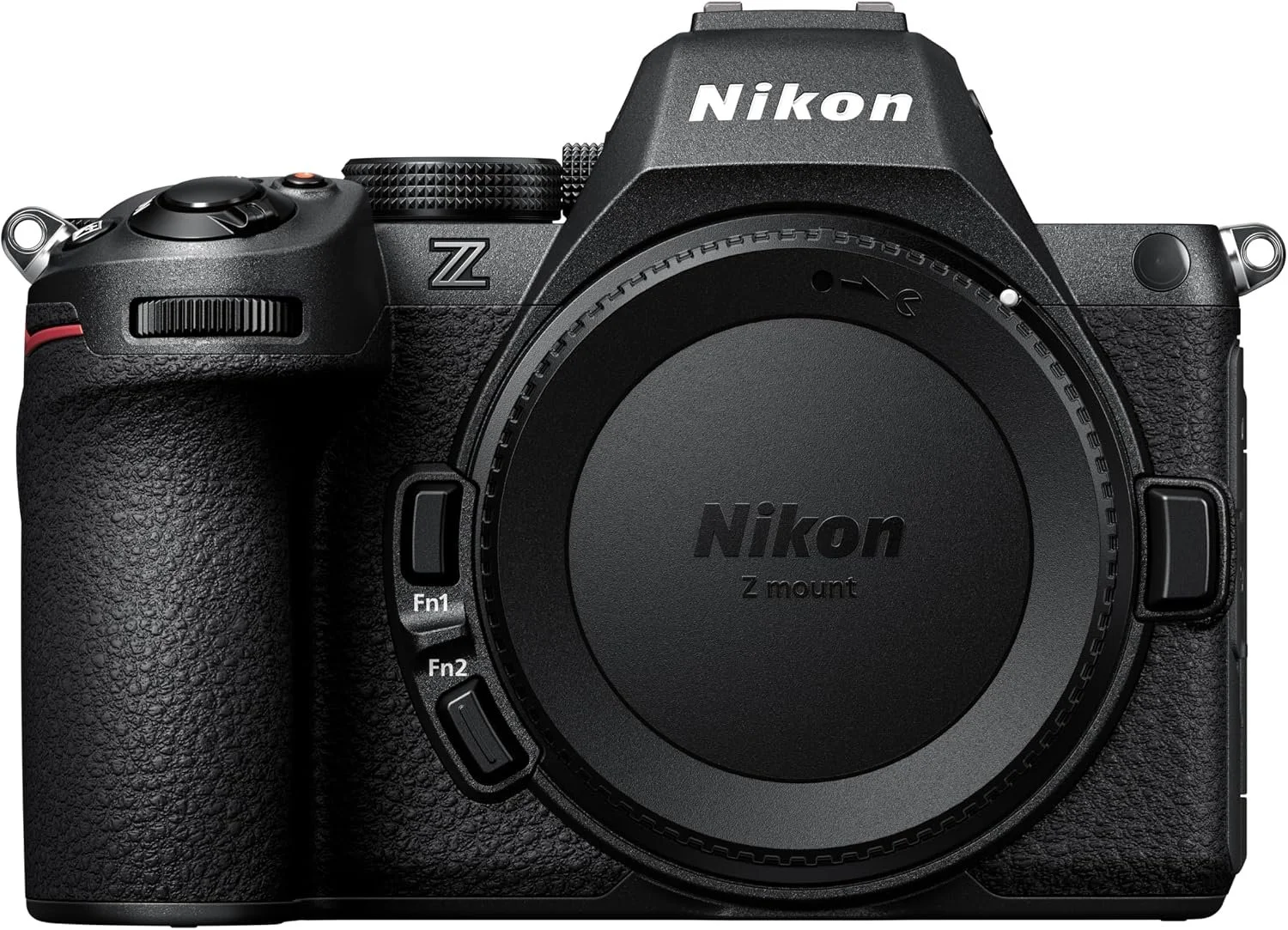
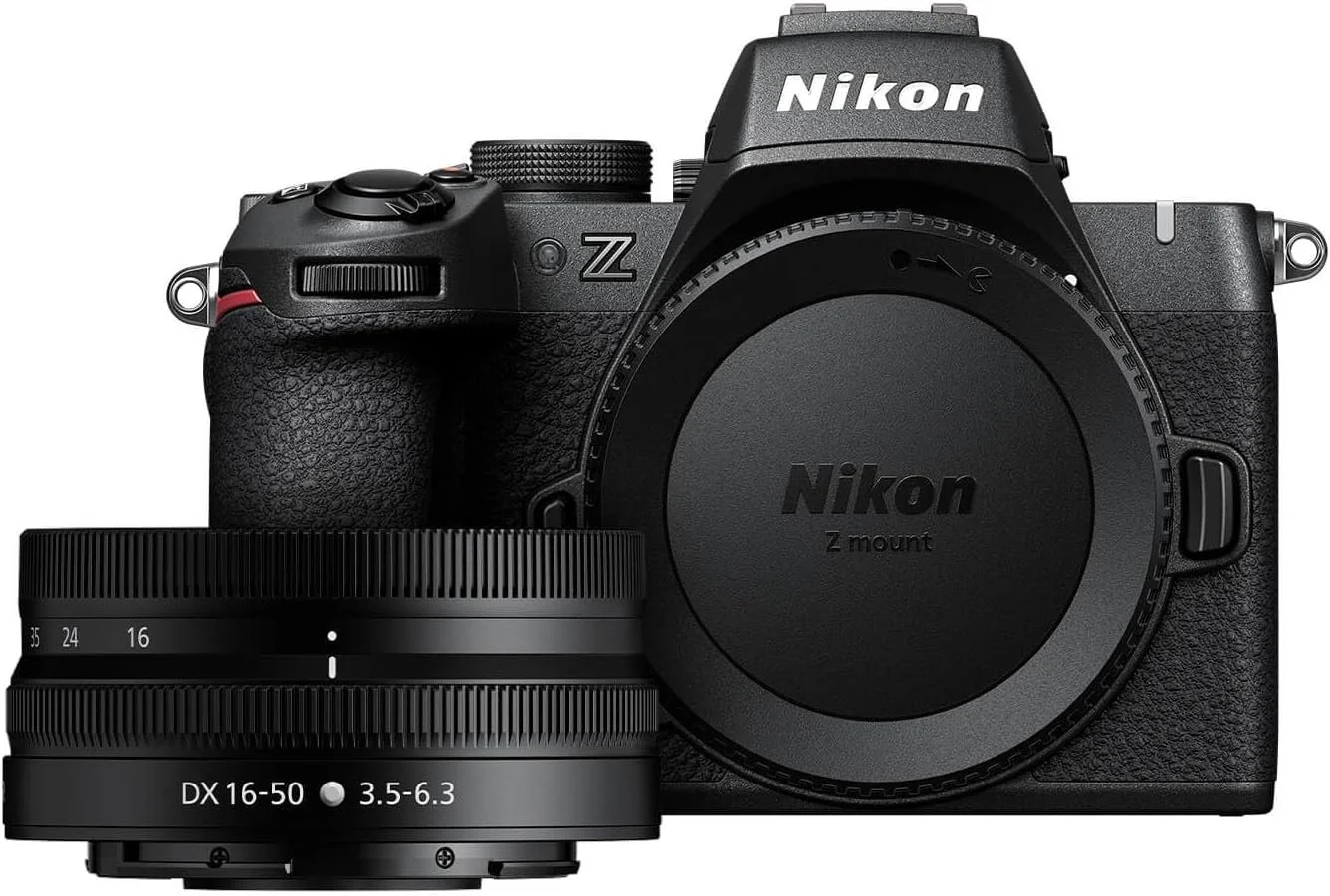
The Workhorse: Nikon Z5II
The Nikon Z5II is officially taking the primary spot in my bag. For its price point, this camera gives unbelievable power. The autofocus tracking on the Z5II is ridiculously fast and reliable—this is what it is my absolute top pick when shooting families, energetic kids, or any fast-moving subject where you simply cannot miss focus. It gives you pro-level mirrorless features at a price tag that doesn't feel like a thief.
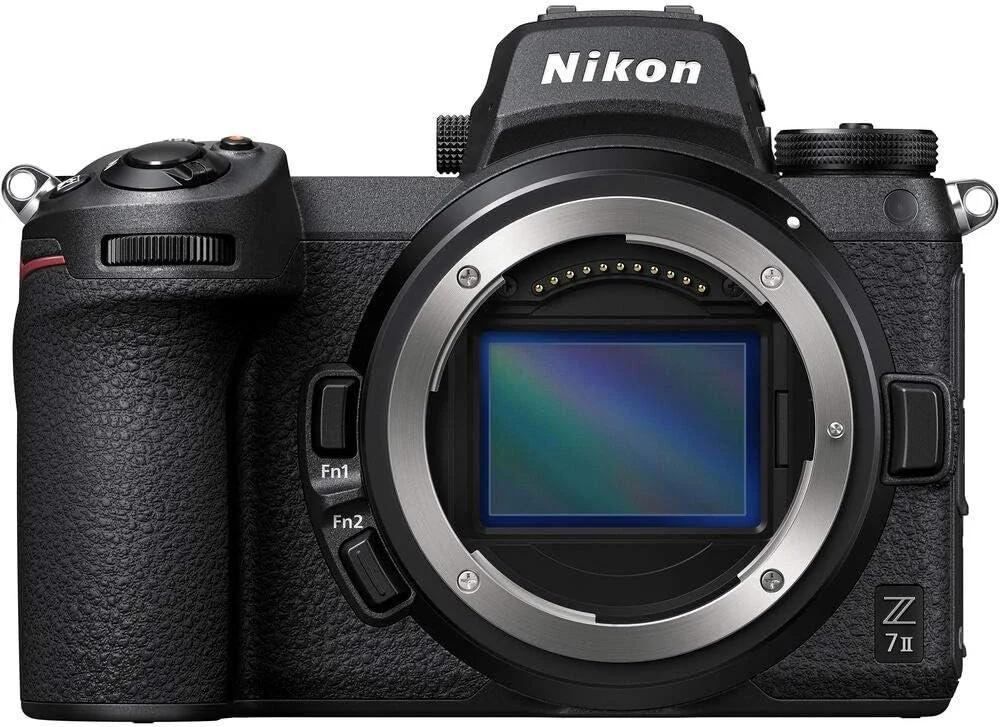
The Studio & Fine-Art Option: Nikon Z7II
While the Z5II leads the pack for fast pace, I still keep my trusty Nikon Z7II in rotation! If I am working on specific portraiture or intimate couple sessions where subjects are stationary, I’ll reach for the Z7II every time. Its 45.7-megapixel sensor gives you mind-blowing image detail and incredible cropping power, so you can crop in tight during editing without losing fine details.
The Perfect Compact Backup: Nikon Z50II
Having a backup body in your bag isn't optional—it’s essential for peace of mind. The Nikon Z50II remains my top recommendation for an accessible, lightweight backup (or a fantastic entry point into the mirrorless world). It has incredible image processing for a compact crop-sensor frame, making it lightweight to carry while keeping your shoot completely covered.
Lens Lineup
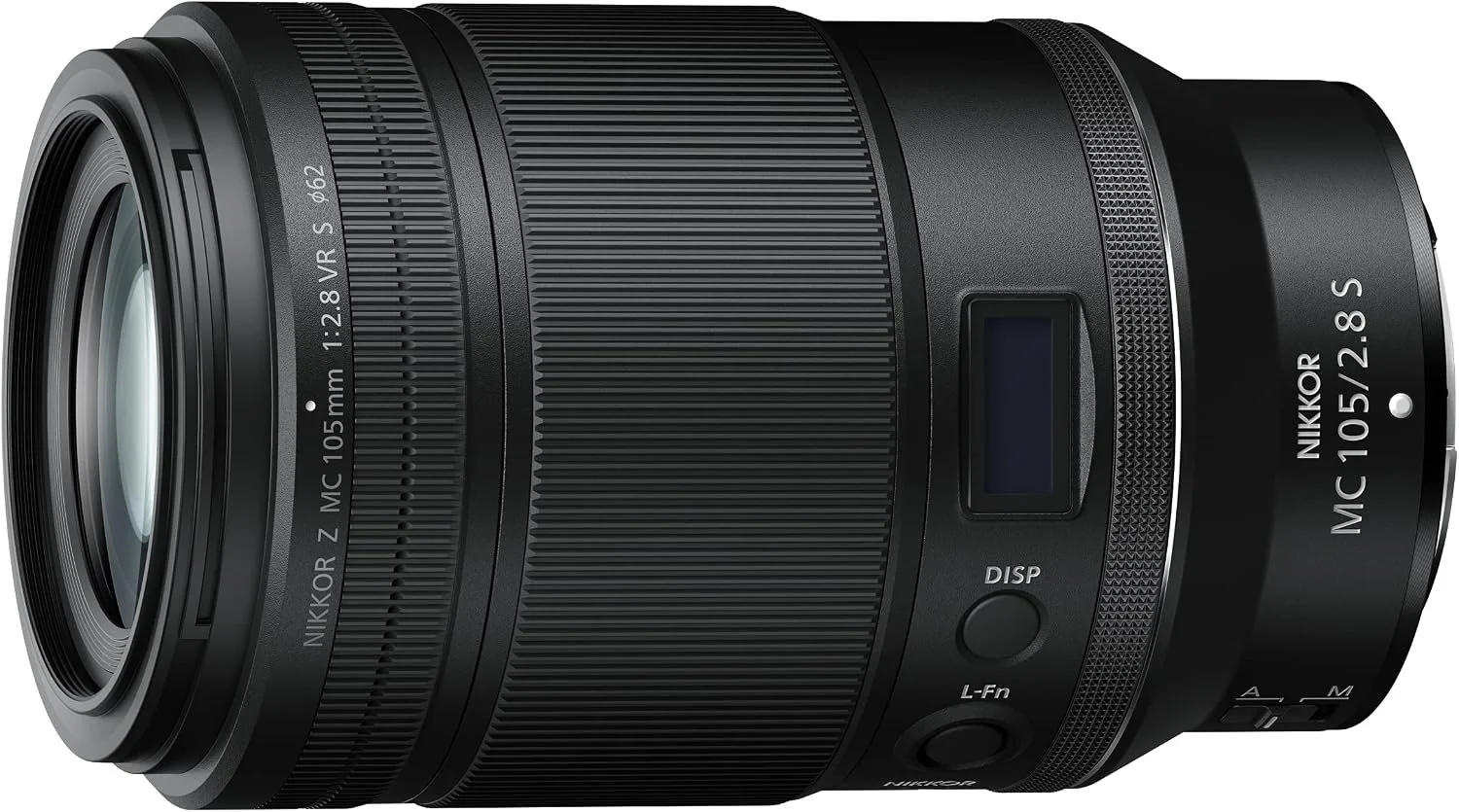
The Portrait Essential: 105mm f/2.8 VR S
If you want breathtaking subject separation and buttery smooth background blur, this is the one. The 105mm is my go-to choice for individual portraits, intimate couple sessions, and tight detail shots. The rendering creates an astounding, painterly look that instantly elevates a photo. It’s not recommended for family sessions, though!
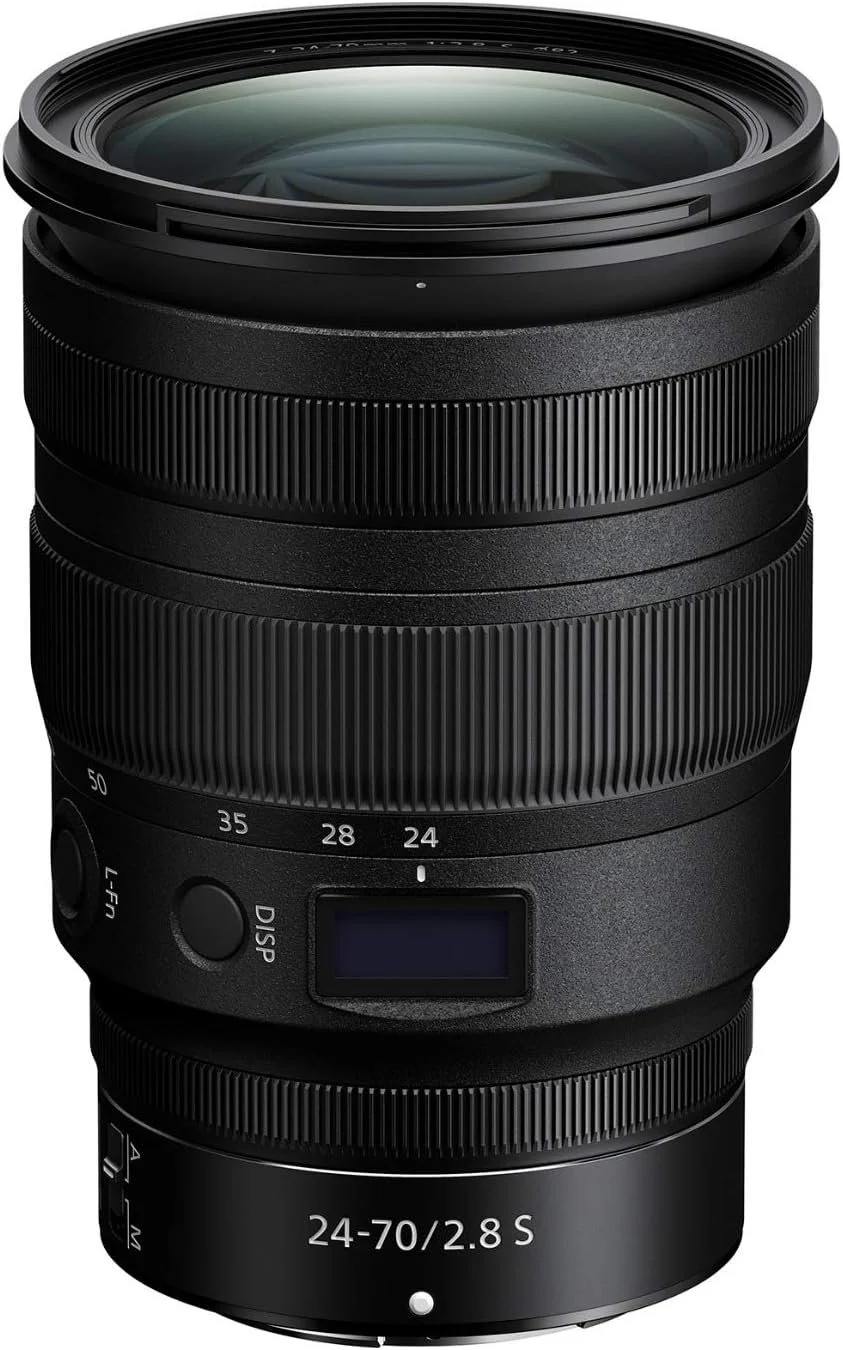
The Versatile Workhorses: 24-70mm f/2.8 S or 28-75mm f/2.8
You cannot beat a mid-range zoom for versatility. Whether you go with the pro-grade 24-70mm or the budget-friendly 28-75mm, having this focal range on your camera allows you to adapt instantly during unpredictable sessions without swapping lenses every two minutes. Use it for weddings, events, family sessions, landscapes, street photography, portraits, really anything!
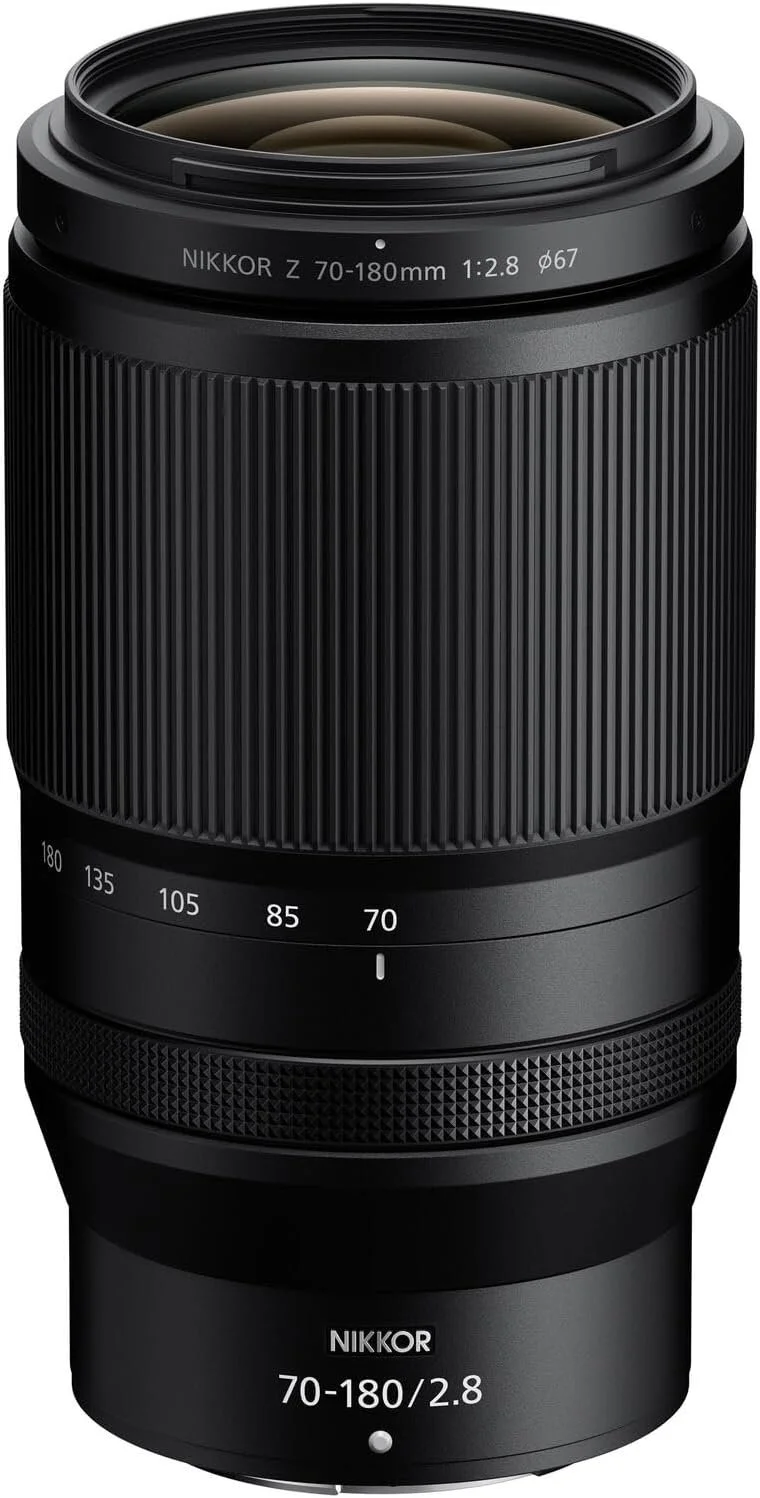
The Reach & Action Pick: Z 70-180mm f/2.8
When you need extra reach—for outdoor sports, wildlife, fast-moving kids, or large outdoor spaces—the 70-180mm is a dream. It gives you that fast f/2.8 aperture and deep reach without the intense weight or price tag of a traditional 70-200mm telephoto.
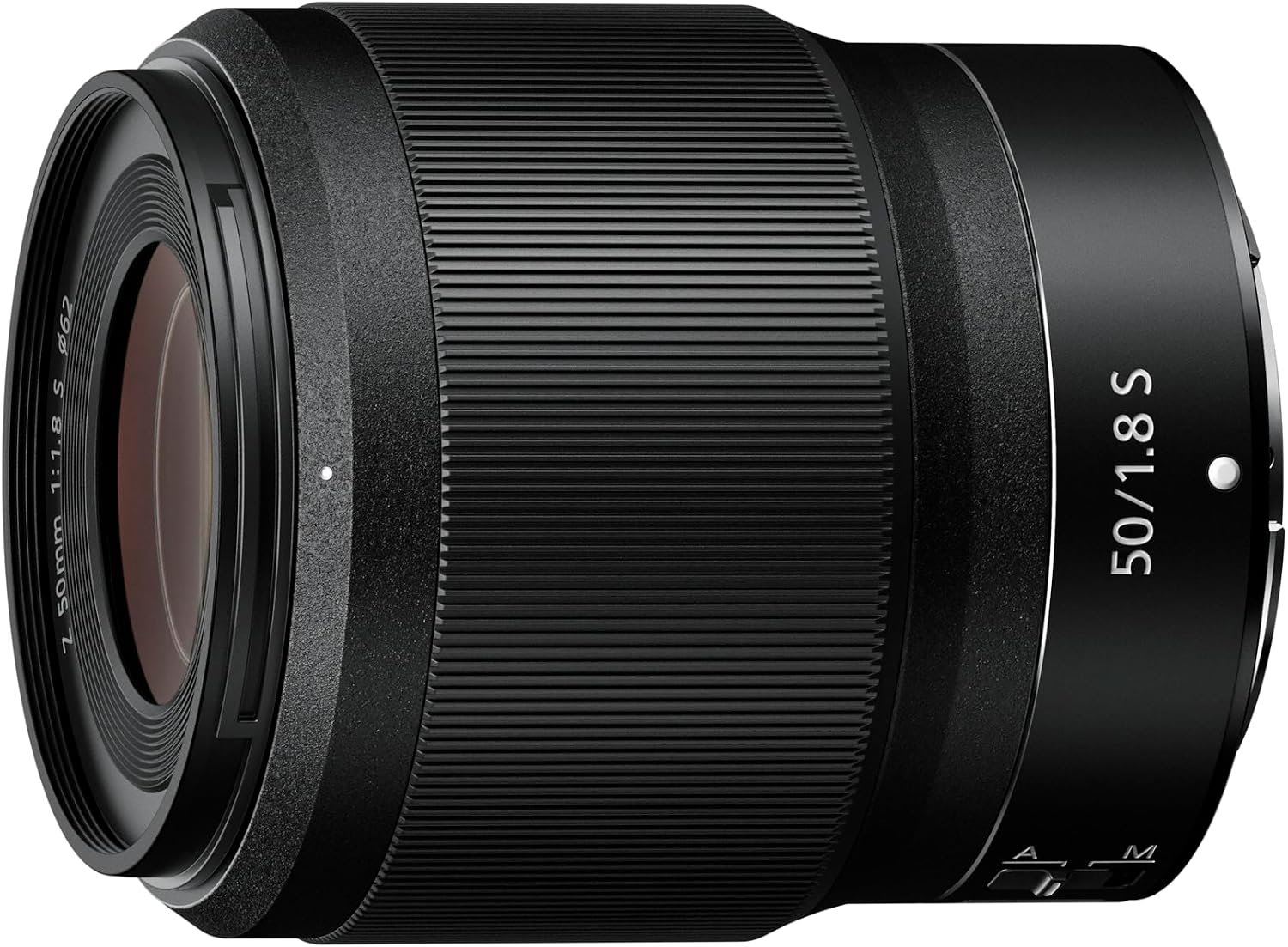
My Top Prime Recommendation: 50mm f/1.8 S
If I could only recommend one prime lens to every photographer, it would be the 50mm 1.8. It is extremely flexible, insanely sharp edge-to-edge, and priced affordably. It forces you to compose intentionally while handling low-light situations like an absolute champion.
Memory and Storage
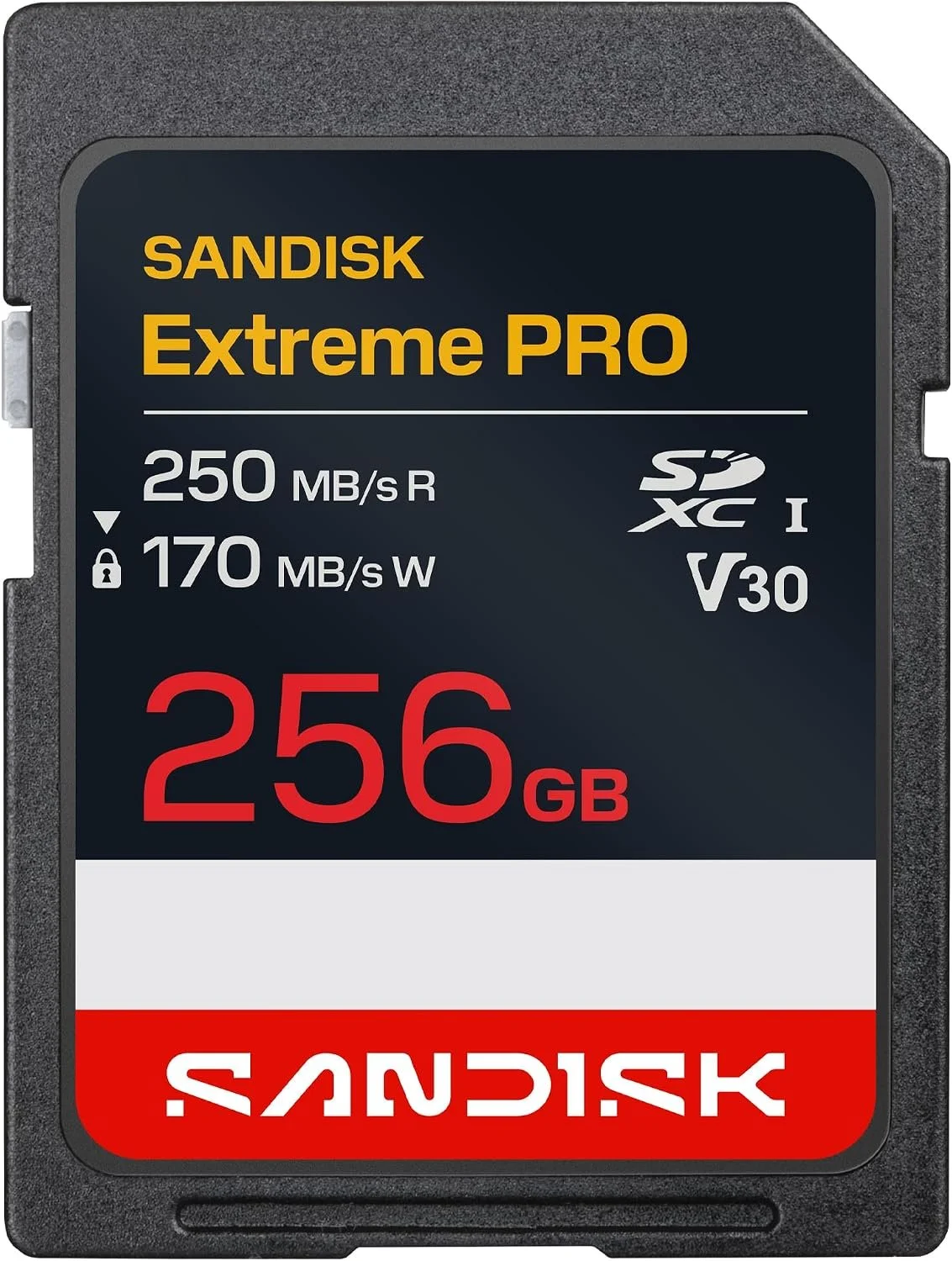
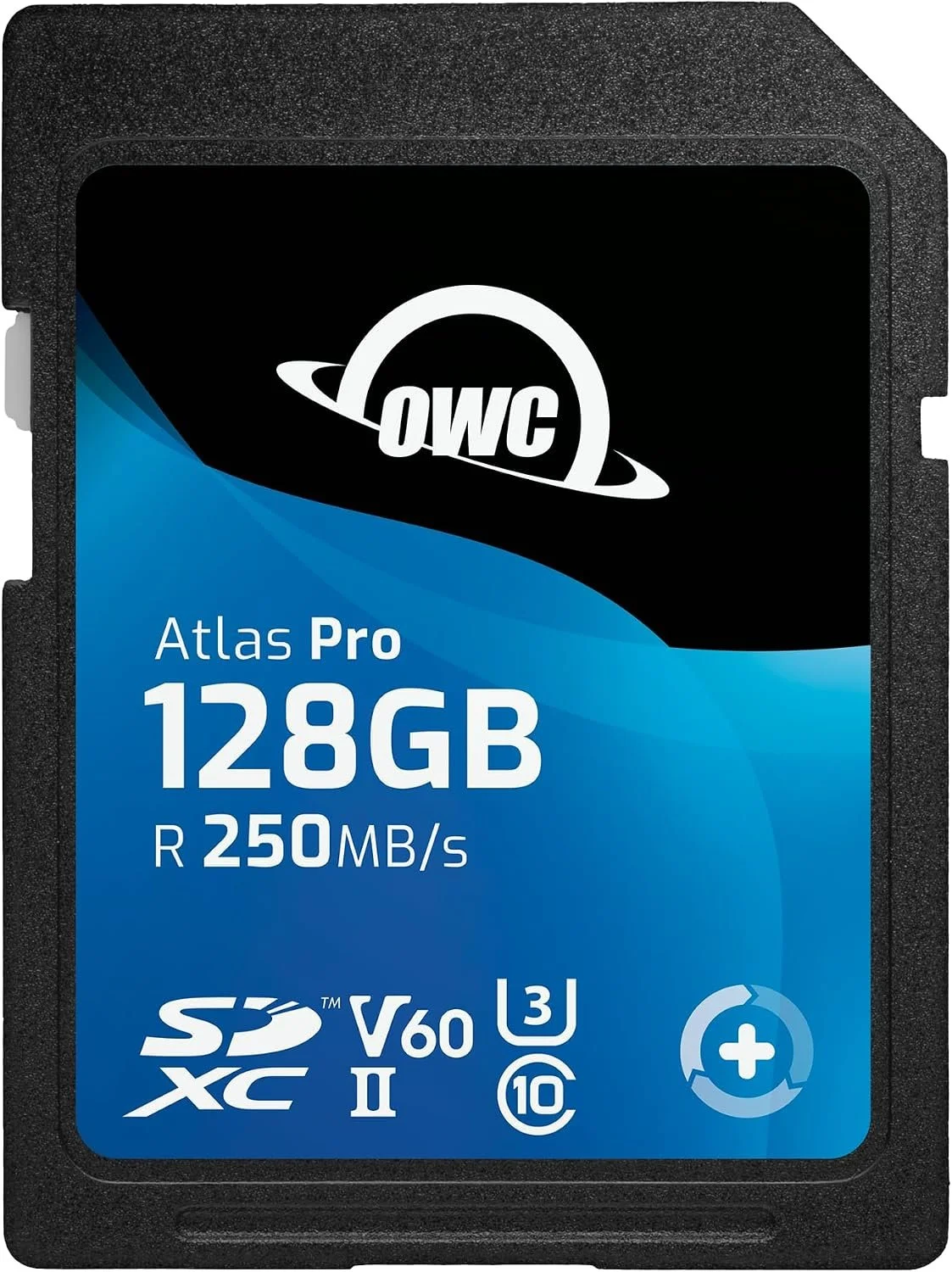
When it comes to memory cards, speed is key! I use fast UHS-II SD cards. These cards allow me to shoot continuously without worrying about buffering, which is essential, especially when shooting in burst mode. Don't skimp on memory cards – they're crucial for a smooth workflow.
High-Speed SD & CFexpress Cards: Reliable memory cards are non-negotiable. I stick with trusted speed ratings from SanDisk Extreme Pro and OWC Atlas Pro series to handle high burst rates without buffering.
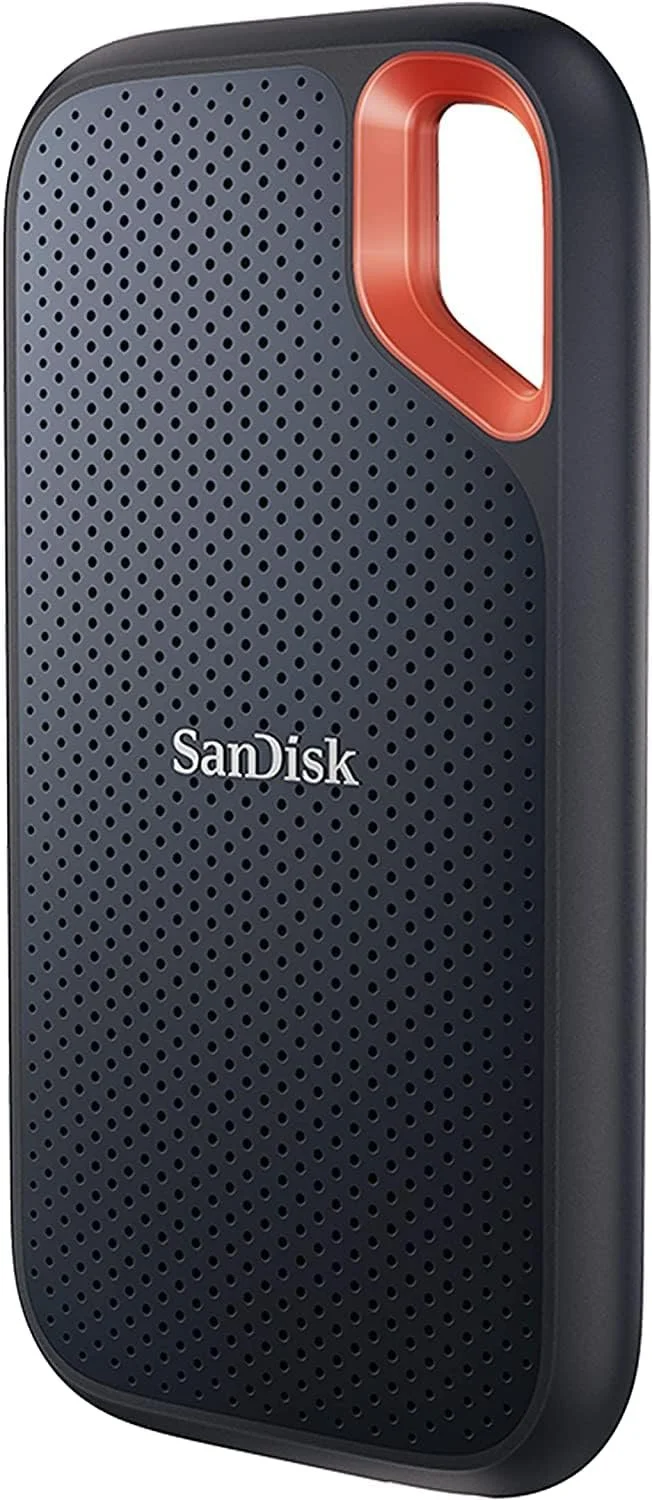
SanDisk Extreme Portable SSD: Backing up your work immediately is crucial. I put my images on the SanDisk SSD as soon as I’m home—it’s rugged, compact, lightning-fast, and keeps client files secure on the go. It’s perfectly fine to start with 2T - they can hold about 40,000 to 85,000 of your RAW images!
Flash & Light Modifiers
While I prefer to shoot with natural light whenever possible, sometimes you need a little extra oomph. That's where my speedlight comes in. It's a lifesaver for filling in shadows, creating dramatic lighting effects, and shooting in low-light situations. Learning to use off-camera flash is a game-changer for any photographer.
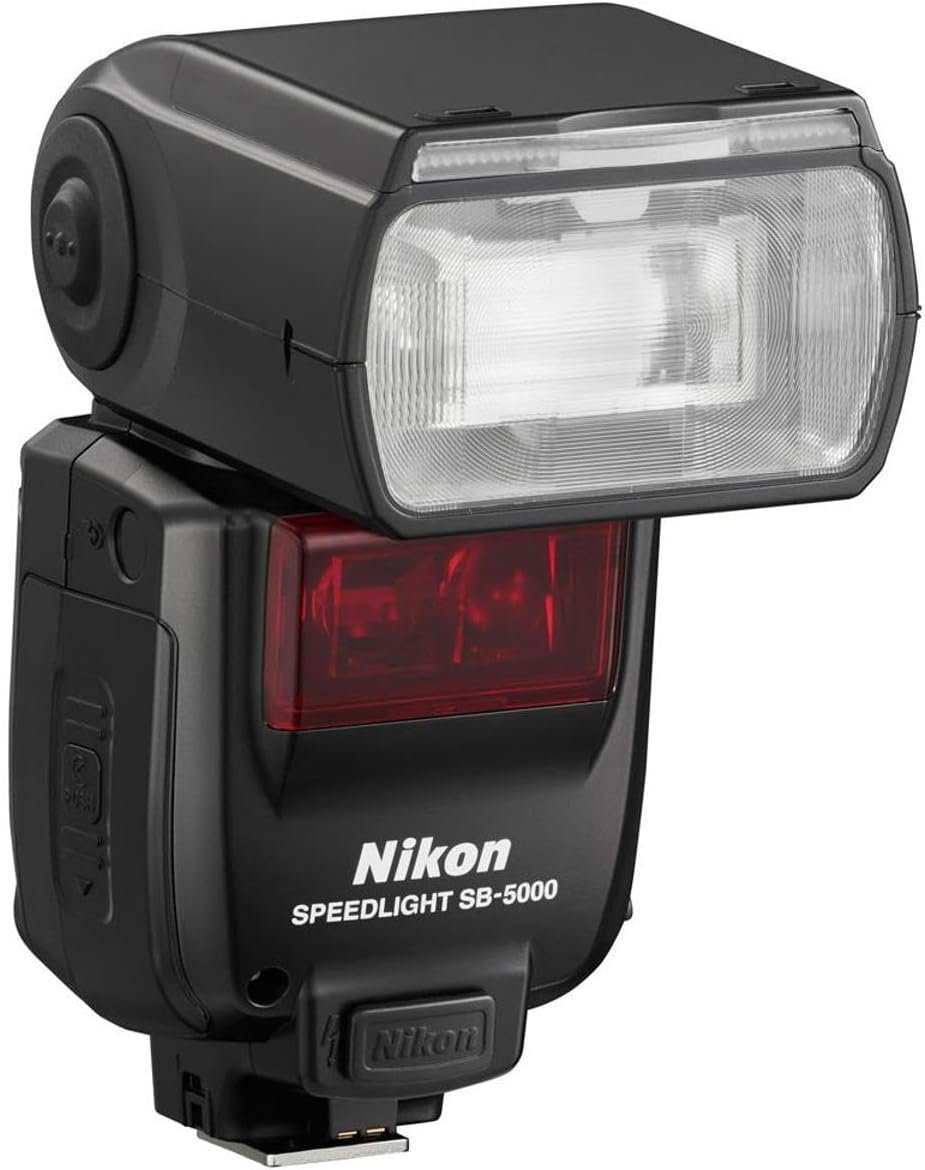
Nikon SB-5000 Speedlight: My top choice for reliable, heavy-duty flash performance. It handles high-speed sync smoothly and provides incredible output consistency during long shooting days.
Neewer Speedlight: I still carry my Neewer flash as a budget-friendly backup or off-camera auxiliary light. It’s lightweight, affordable, and performs exceptionally well when you need extra fill light.
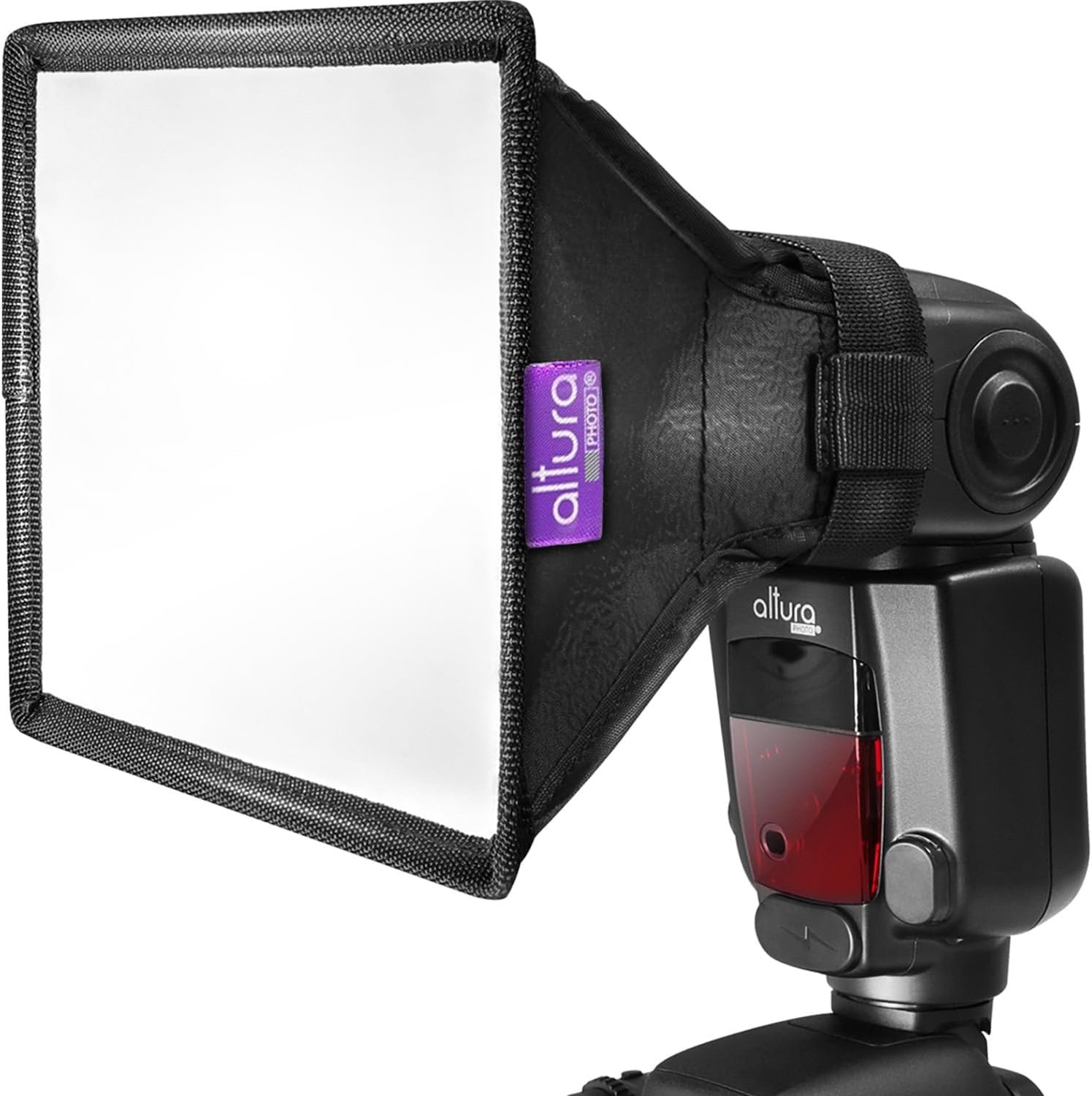
Flash Diffusers: Unmodified direct flash can look harsh. I always pack a collapsible flash diffuser to soften the light and create natural, flattering skin tones on location. It attaches right to your flash, easy-peasy.
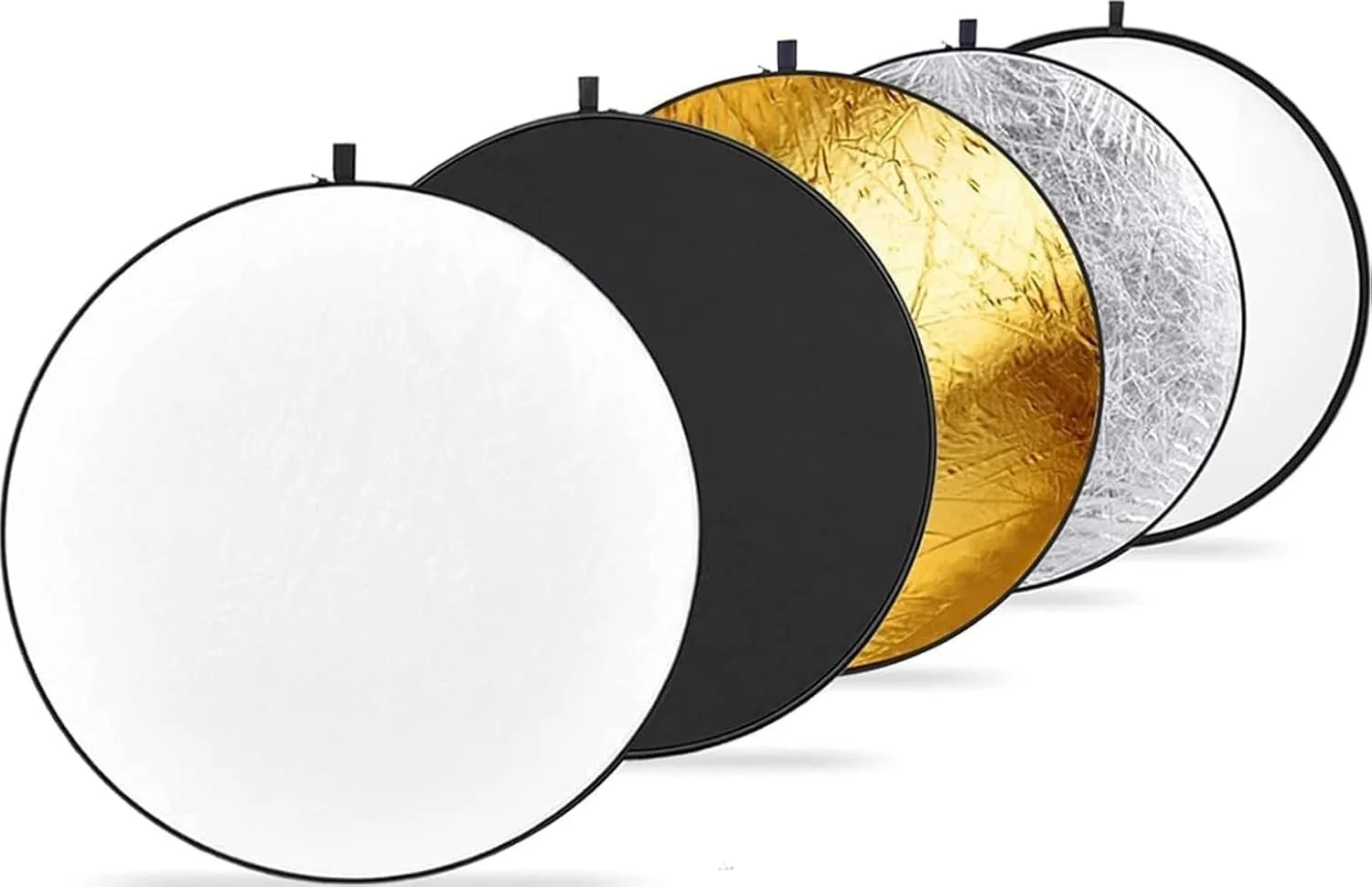
5-in-1 Collapsible Reflector: One of the cheapest yet most effective tools in my bag. I typically use the reflector when I’m not using flash.
Miscellaneous but Mighty: The Supporting Cast
Beyond the core essentials, there are a few other items that frequently find their way into my bag:
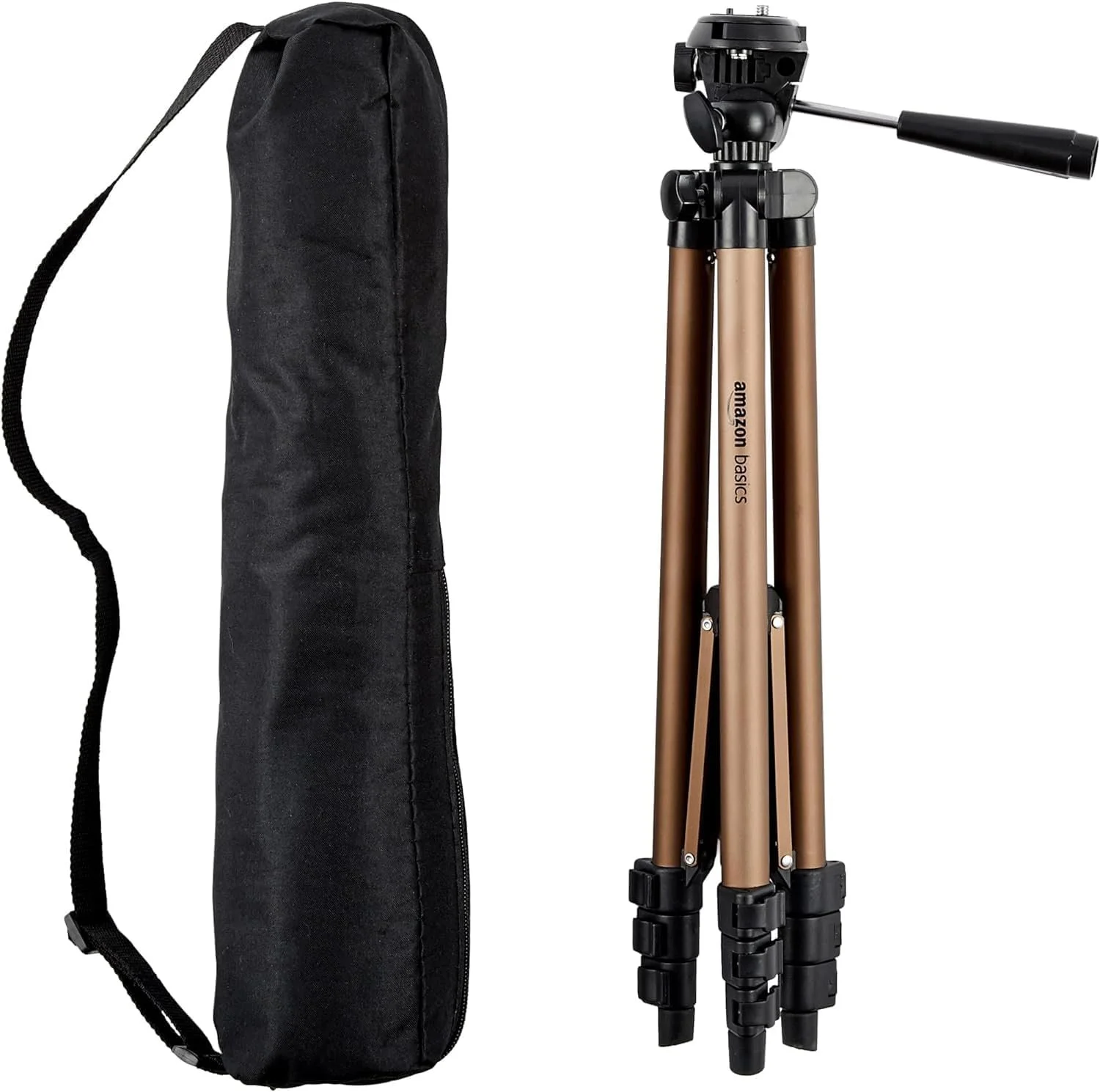
Compact Travel Tripod: Essential for sharp long exposures, steady self-portraits, or low-light landscape shots. I keep a lightweight, sturdy travel tripod strapped to the outside of my bag.
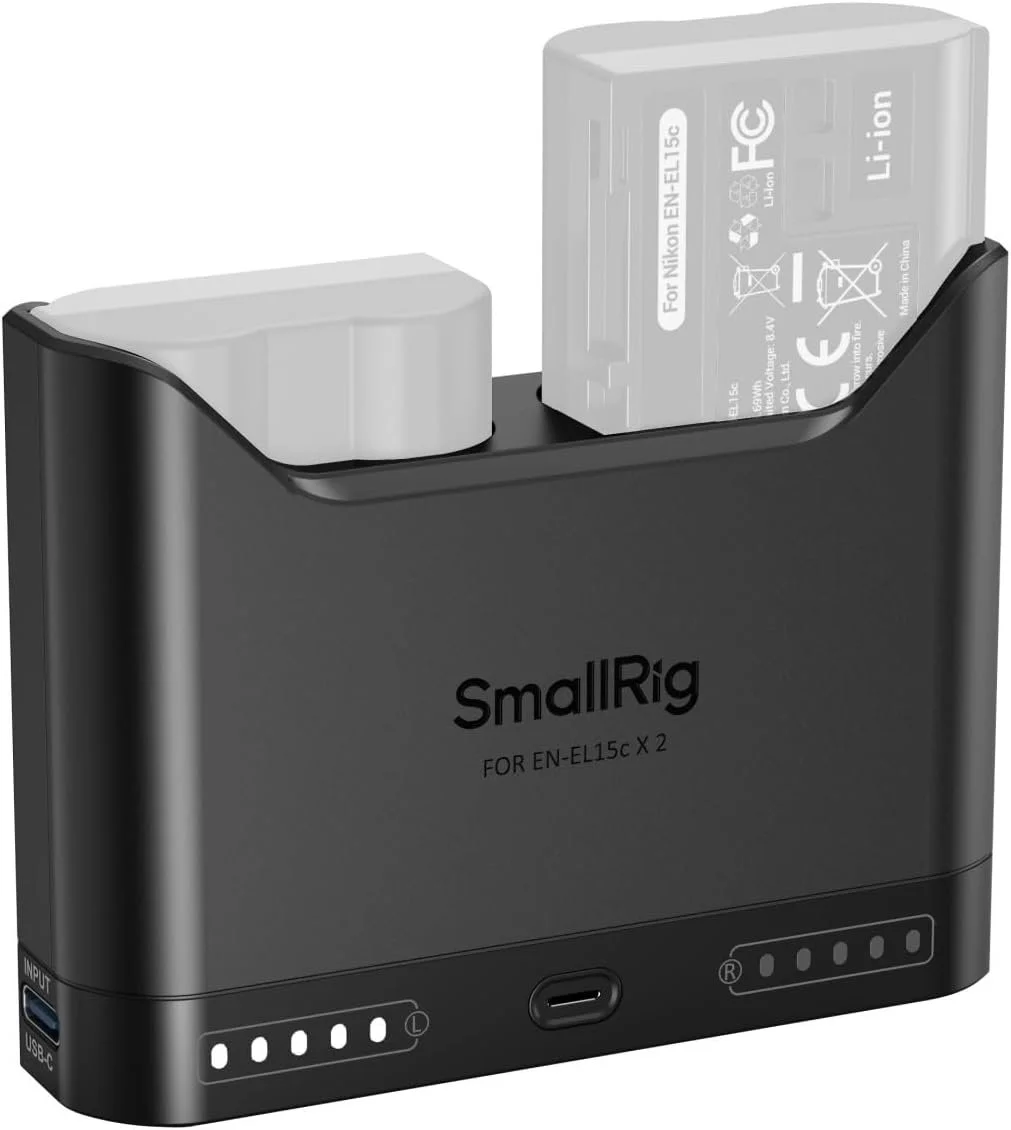
Batteries & Dual Charger: Always carry at least 2 charged batteries and a dual USB charger for long session days.
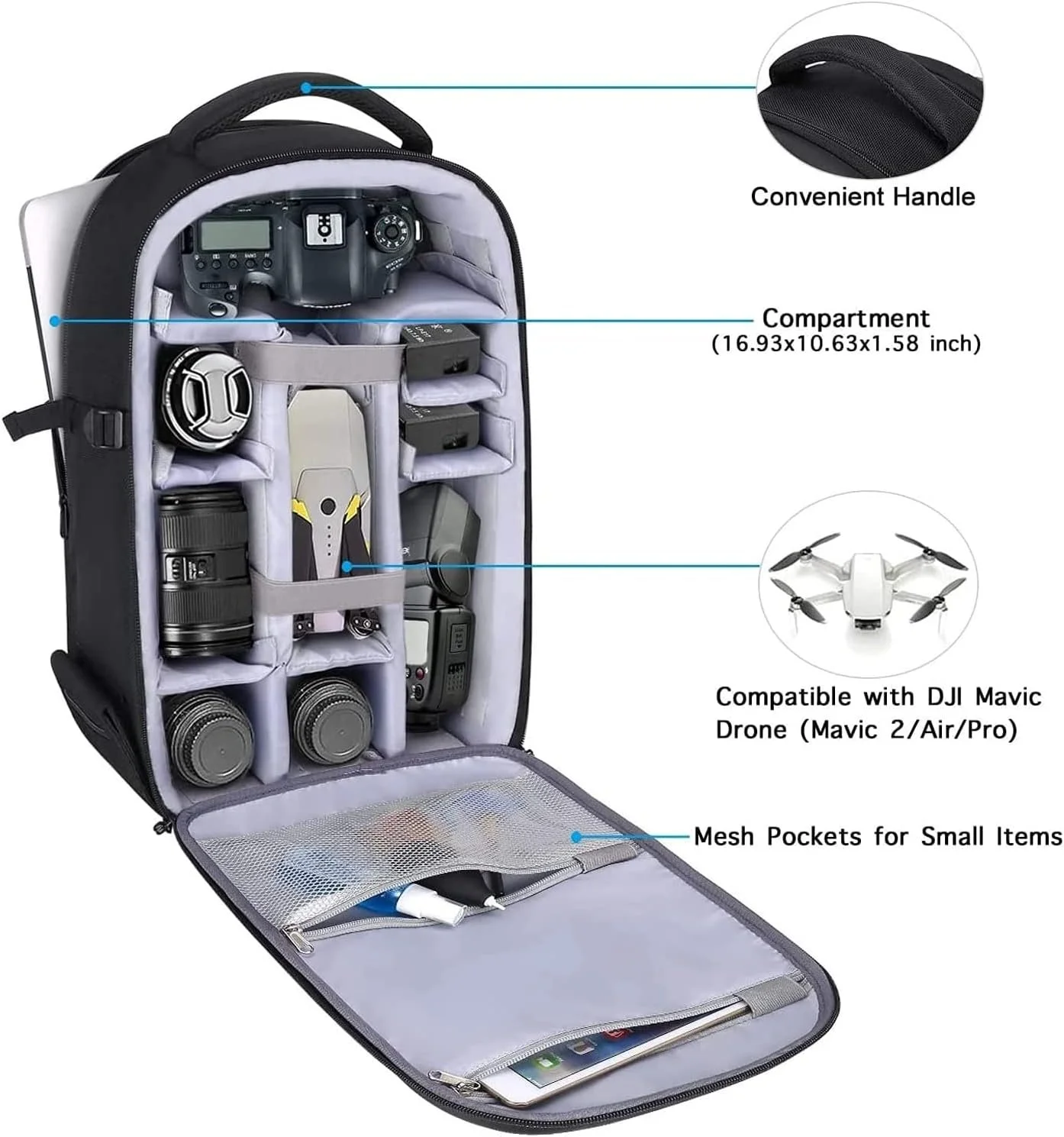
Camera Bag: A structured, weather-resistant backpack that keeps weight distributed evenly across your shoulders. I think backpacks are the easiest kind of bag!
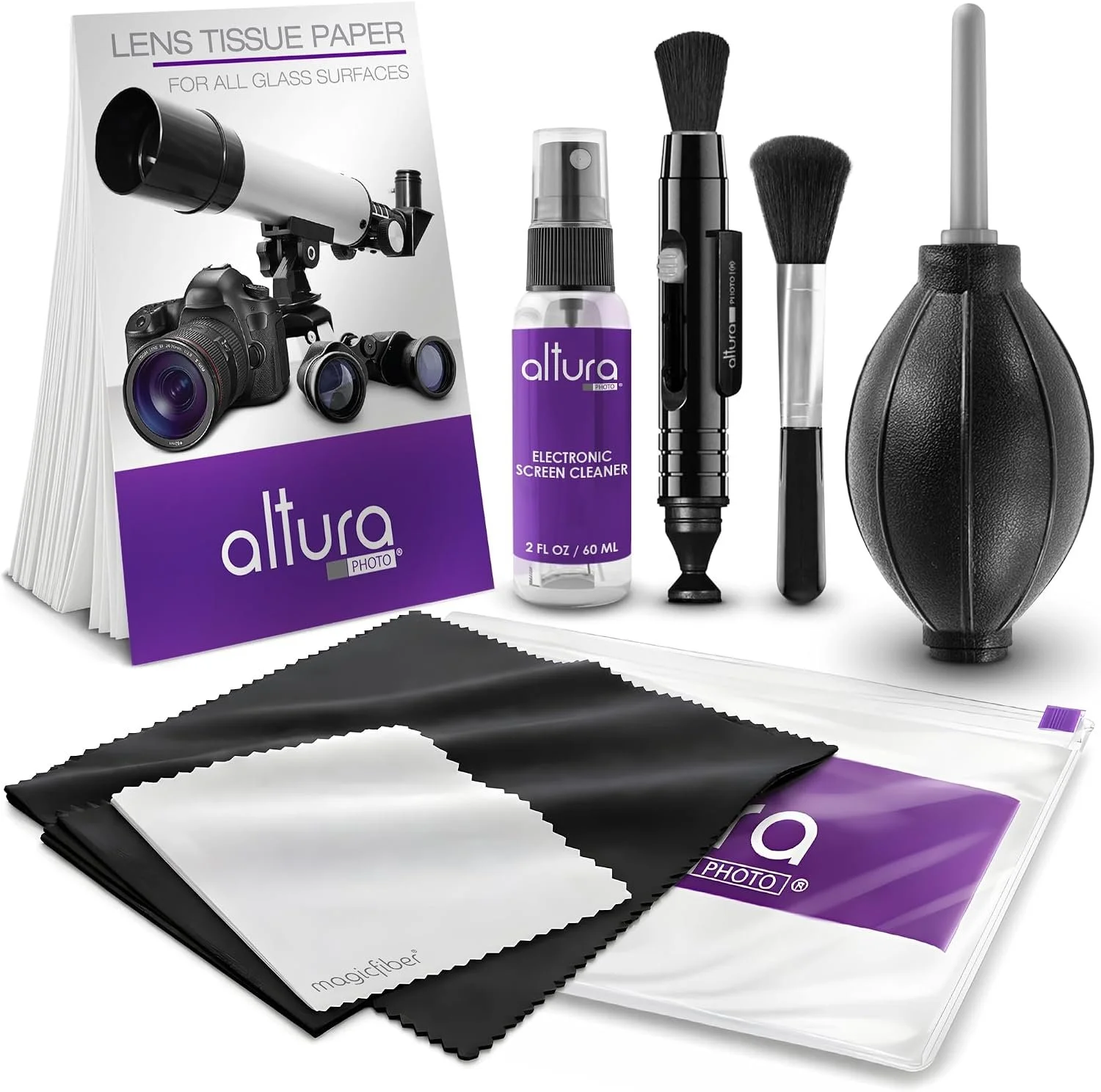
Lens Cleaning Kit: Microfiber cloths, air blower, and lens wipes—kept in an easy-access pouch for quick cleaning during outdoor shoots.
So, there you have it – a glimpse into my photography bag and gear! Remember, the specific gear you choose will depend on your individual needs and style. The most important thing is to find the tools that work best for you and allow you to bring your creative vision to life.
Happy shooting!
Nancy
Disclaimer: Some of the links in this post are affiliate links. This means that if you click on the link and make a purchase, I will receive a small commission at no extra cost to you. This helps support my blog and allows me to continue creating content like this. Rest assured, I only recommend products I genuinely believe in and use myself.